Frozen faces, toxic chemicals, addiction — Botox myths persist. A specialist separates internet fiction from clinical reality.
Few cosmetic treatments carry as much baggage as Botox. Patients walk into my office with a strange mix of curiosity and dread, armed with half-truths they picked up from social media, a friend's cautionary tale, or a celebrity interview that got the science completely wrong.
I have been administering neuromodulator injections for years. In that time, I have seen what Botox actually does — and what it does not. Let me walk through the most persistent myths and give you the medical reality behind each one.
Myth 1: Botox Will Give You a Frozen, Expressionless Face
This is the myth that stops more people from exploring treatment than any other — and it is based on bad technique, not the product itself.
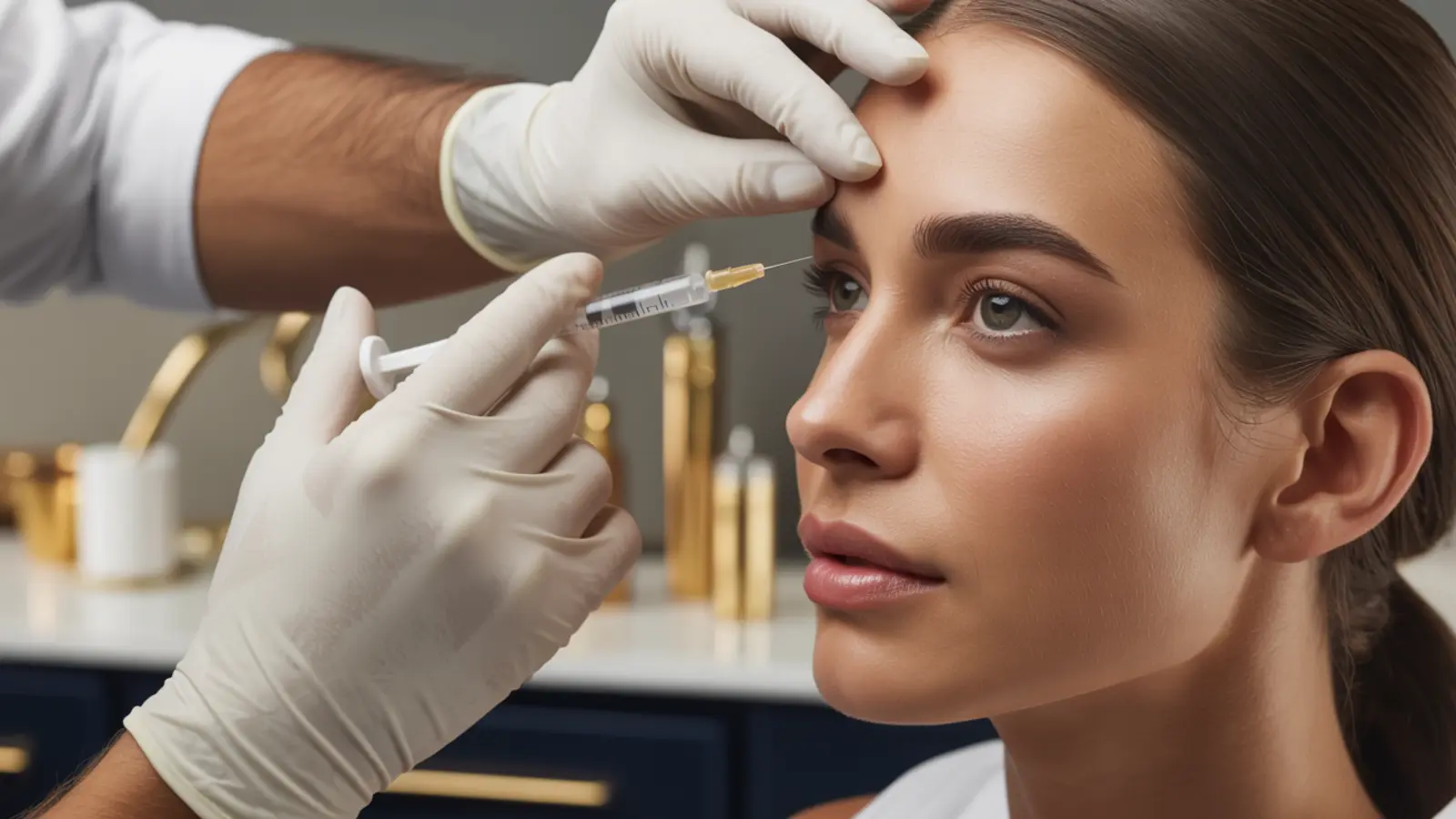
Botox does not freeze your face. It temporarily relaxes specific muscles that create dynamic wrinkles — the lines that form when you squint, frown, or raise your eyebrows. A skilled specialist uses precise doses in targeted locations to soften lines while preserving natural movement.
The "frozen" look happens when too much product is used or injected in the wrong spots. This is exactly why professional oversight matters. At our spa, every injection is mapped to your unique facial anatomy, and we consistently err on the side of subtlety. You should look refreshed, not paralysed.
Myth 2: Botox Is Dangerous Because It Is a Toxin
Yes, botulinum toxin is the active ingredient. But calling Botox dangerous because it contains a toxin is like calling water dangerous because you can drown in it — dose and context matter.
The amounts used in cosmetic Botox are extremely small — a tiny fraction of what would cause any systemic effect. Botox has been approved for cosmetic use for over 20 years and has one of the longest safety records of any aesthetic treatment. Billions of treatments have been administered worldwide.
Side effects are uncommon and typically mild — slight bruising at the injection site, a temporary headache, or minor swelling. Serious adverse events are exceedingly rare when treatment is performed by a qualified specialist using approved products.
Myth 3: Once You Start Botox, You Cannot Stop
Botox is not addictive — not physically, not chemically. If you stop getting injections, the treated muscles gradually return to their full activity over three to four months, and your wrinkles reappear as they were before.
What patients sometimes call "addiction" is actually preference. Once you see how refreshed you look without deep frown lines, going back feels like a step backward. But there is no withdrawal, no dependency, and no harm in taking a break or stopping entirely.
Myth 4: Botox Is Only for Older Women
Botox has no age or gender requirement. Men make up a growing segment of patients — often executives and professionals who want to look less tired or stern without anyone knowing they had treatment.
Younger patients in their late 20s and 30s are also choosing preventative Botox, sometimes called "prejuvenation." By relaxing muscles before deep lines form, smaller doses can delay the development of permanent creases. Think of it as maintenance rather than repair.
Curious about Botox but unsure where to start? Book a complimentary consultation at Templus Life. Our team will assess your facial anatomy, answer your questions honestly, and recommend a plan only if it makes sense for you. Call 604-783-2228.
Myth 5: All Botox Treatments Are the Same
This might be the most dangerous myth. A unit of Botox is the same product regardless of where you get it, but the skill of the injector varies enormously.
- A specialist understands the layered anatomy of facial muscles — which ones to relax and which to leave alone
- Injection depth, angle, and dose all affect whether results look natural or overdone
- Cookie-cutter approaches (same dose, same spots for every patient) produce inconsistent results
- A thorough medical history review catches contraindications that a non-medical provider might miss
At our spa, our experienced team personally evaluates every client and performs every injection. There are no shortcuts or delegation. Your face deserves that level of attention.
Myth 6: Botox Results Are Immediate
Patients sometimes expect to walk out of the spa looking different. In reality, Botox takes 3 to 5 days to begin working and reaches full effect at 10 to 14 days. We schedule a follow-up at the two-week mark to assess results and make any refinements.
Results typically last 3 to 4 months, though some patients find that with consistent treatment, the duration extends as muscles gradually weaken from reduced use.
The Real Question: Is Botox Right for You?
Botox is not for everyone, and a good clinician will tell you that. It works best for dynamic wrinkles — the ones caused by muscle movement. For static wrinkles (lines visible even when your face is at rest), other treatments like RF skin tightening or dermal fillers may be more appropriate.
The right approach starts with an honest conversation. What bothers you when you look in the mirror? What does "better" look like to you? A expert-led consultation should answer those questions before a single unit is ever injected.
If you have been putting off Botox because of something you read online, I would encourage you to get the facts from someone who does this every day. The gap between internet mythology and clinical reality is wide — and once you bridge it, the decision becomes much clearer.